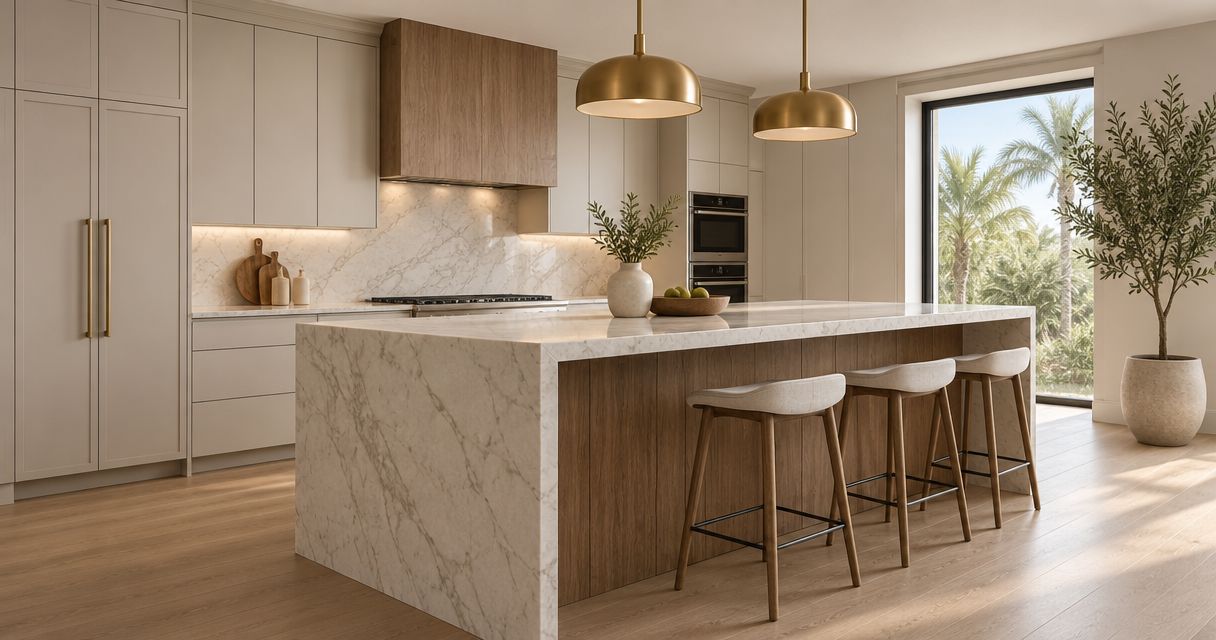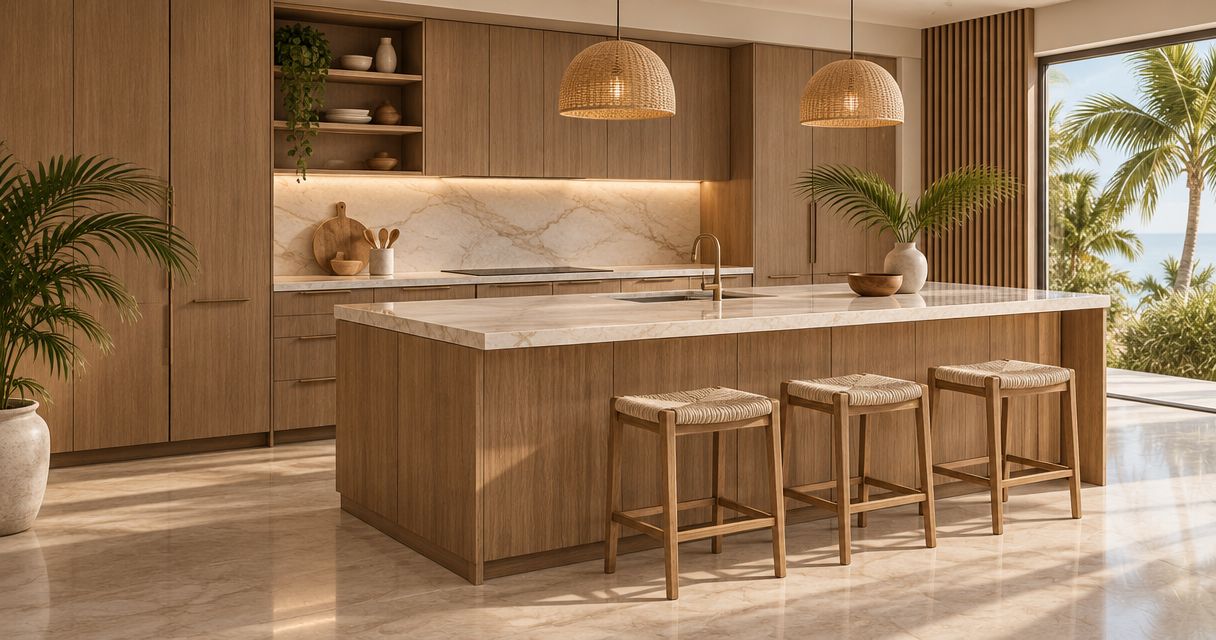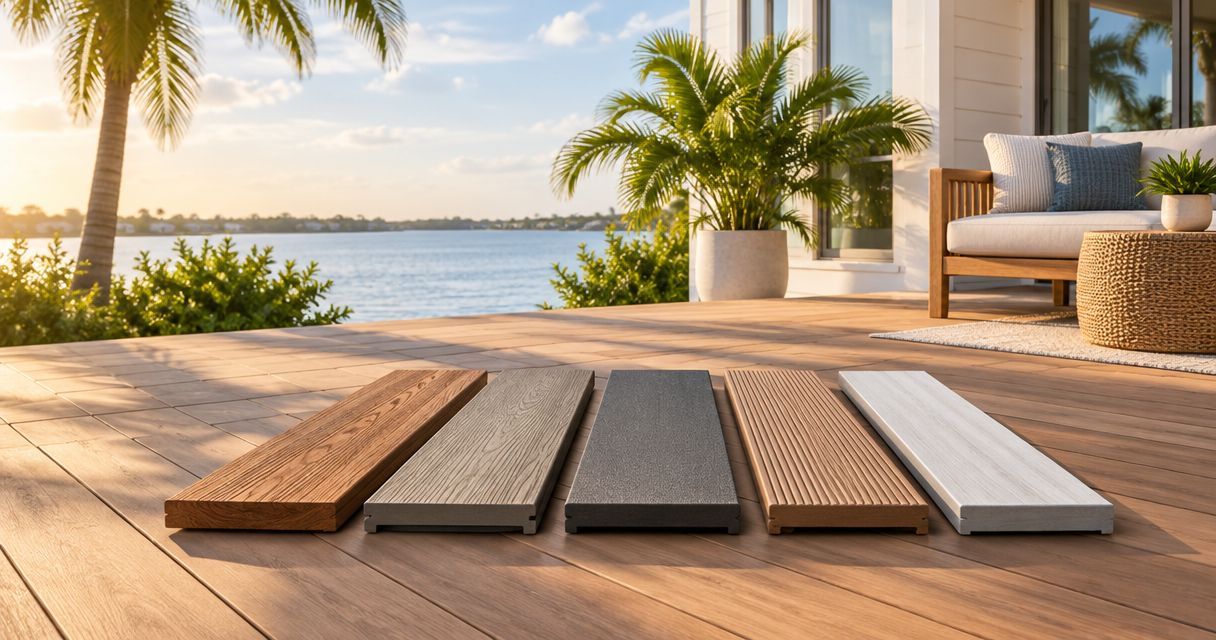
Best overall: plywood for reusable scenic structures. Best for smooth painted faces: MDF. Best for lightweight sculptural forms: rigid foam. The best materials for scenic fabrication displays depend on what the audience sees, what the structure must do, and how your event team will transport and install it in 2026.
- The best materials for scenic fabrication displays start with plywood for reusable builds, not every visible surface.
- Choose MDF for smooth painted faces, rigid foam for sculptural forms, and fabric for packable backdrops.
- JB Woodworks LLC serves Orlando brands and event teams seeking custom scenic fabrication and commercial displays.
- Confirm venue requirements, transport limits, installation responsibilities, and intended reuse before selecting materials.
Why this matters
A display material has more than one job. It must support the intended finish, survive the planned handling, and work within the venue's installation rules. Choosing only from a rendering leaves those decisions unresolved.
JB Woodworks LLC is a scenic fabrication option for Orlando brands and event teams planning custom physical displays. You can start with JB Woodworks LLC when preparing a brief for commercial displays, scenic fabrication, or a branded physical environment. Specify the result you need rather than prescribing an entire construction method before the project is reviewed.
For a 2026 event brief, separate the visible surface from the supporting assembly. A painted face, its internal support, and its connection to the floor need not use the same material. Treating those as separate decisions gives your fabricator room to resolve finish, handling, and assembly together.
What makes the best scenic fabrication material?
Use these criteria before comparing individual materials:
- Surface finish: Decide whether the audience should see painted color, wood grain, a printed graphic, transparency, or texture.
- Handling: Identify who moves each component and which edges, corners, and connections receive repeated contact.
- Transport: Check the route from fabrication space to vehicle, loading area, doorway, and final position.
- Reuse: Distinguish a temporary scenic skin from an assembly intended for repeated installation.
- Site conditions: State whether the display faces indoor conditions, moisture, sunlight, or outdoor exposure.
- Venue requirements: Confirm documentation, attachment restrictions, and qualified-trade requirements before approving construction.
No single material wins every criterion. Choose the assembly around its hardest constraint, then select the visible finish. A narrow delivery route can matter more than the appearance of an unbroken panel.
Scenic fabrication materials at a glance
This 2026 comparison ranks materials by their strongest use case, not by a claim that every display needs every option. The limitations apply to material selection; the completed assembly still needs project-specific review.
| Rank and material | Best for | Standout feature | Key limitation |
|---|---|---|---|
| 1. Plywood | Reusable scenic structures | Layered wood panels suited to fabricated assemblies | Faces and edges need finish planning |
| 2. MDF | Smooth painted display faces | Uniform surface without visible wood grain | Heavy to handle and vulnerable to moisture |
| 3. Rigid foam | Sculptural scenic forms | Low-weight material that can be shaped | Exposed surfaces need protection from damage |
| 4. Fabric | Packable backdrops | Folds or rolls for transport | Needs a support and tensioning plan |
| 5. Aluminum | Modular supporting frames | Corrosion-resistant metal suited to fabricated framing | Connections and fabrication need specialist attention |
| 6. Rigid sheet plastics | Transparent or translucent features | Clear, colored, or light-transmitting surfaces | Scratching and movement require detailing |
1. Plywood: best scenic material for reusable structures
Plywood is the starting point when a scenic assembly needs fabricated panels, dimensional depth, and connections that can be planned around repeated handling. It works as a construction material rather than only a decorative skin. The grade, thickness, finish, and connection design still depend on the project.
Plywood pros:
- Supports a range of panel and box-like fabrication approaches.
- Offers visible wood grain when that suits the design.
- Allows separate faces, edges, and connections to be detailed.
Plywood cons:
- Panel edges need deliberate treatment when visible.
- Surface quality varies with the specified product and grade.
Best for: Reusable scenic walls, dimensional display components, and fabricated display bodies where wood-based construction fits the brief.
Ask whether the audience will see the edges and whether components must separate for transport. Those answers influence the build before paint color does. Verdict: Buy for reusable assemblies after the panel specification and connections are reviewed.
2. MDF: best scenic material for smooth painted faces
MDF provides a uniform surface for painted scenery and shaped display faces. It is a useful choice when visible wood grain would distract from the design. Treat its edges and surface preparation as part of the finish scope, not an afterthought.
MDF pros:
- Provides a smooth face for painted treatments.
- Has no visible natural wood grain to work around.
- Can be machined into repeatable decorative shapes.
MDF cons:
- Adds handling weight to larger components.
- Standard MDF is a poor choice for moisture exposure.
Best for: Indoor painted lettering, decorative faces, and scenic surfaces where finish consistency takes priority over portability.
Ask how edges will be sealed and how large pieces will travel without damage. Do not treat a smooth face as evidence that the whole assembly is suitable for its intended loads. Verdict: Buy for dry indoor painted faces; skip standard MDF for exposed wet conditions.
3. Rigid foam: best scenic material for sculptural forms
Rigid foam suits scenery that needs shape and volume without the handling weight of a solid wood form. Different foam products behave differently, so name the intended finish and use rather than requesting generic foam. Coating compatibility belongs in the material discussion.
Rigid foam pros:
- Supports carved and shaped scenic forms.
- Keeps sculptural elements comparatively light.
- Allows bulky visual forms without making them solid timber.
Rigid foam cons:
- Unprotected surfaces can dent or break during handling.
- Coatings, adhesives, and venue requirements need product-specific checks.
Best for: Decorative sculptural elements that are not intended to carry people or serve as unreviewed structural supports.
Tell the fabricator whether guests can touch the piece. A protected stage element and a public-facing photo feature need different surface decisions. Verdict: Buy for protected scenic volume; skip exposed foam where regular contact is expected.
4. Fabric: best scenic material for packable backdrops
Fabric works when the main job is to create a visual background rather than a rigid object. It can fold or roll for transport, but the finished appearance depends on how it hangs and tensions. The supporting system remains a separate part of the brief.
Fabric pros:
- Packs without the footprint of an equivalent rigid panel.
- Supports soft, draped, or tensioned visual treatments.
- Can separate the graphic surface from its supporting frame.
Fabric cons:
- Wrinkles and uneven tension affect the visible result.
- Requires a hanging or framing method appropriate to the site.
Best for: Backdrops and visual enclosures where portability matters more than a hard, touchable surface.
Specify whether the fabric must conceal activity behind it or allow light through. Also identify whether it will be photographed closely. Verdict: Buy for portable backdrops once the support, opacity, and venue documentation are resolved.
5. Aluminum: best scenic material for modular supporting frames
Aluminum is a candidate for supporting frames when repeat assembly and transport are central to the project. It is not a substitute for reviewing connections, stability, and loads. A frame's suitability depends on its complete design, not the metal name alone.
Aluminum pros:
- Offers corrosion resistance for suitable applications.
- Supports fabricated framing and replaceable surface panels.
- Can separate structural framing from decorative finishes.
Aluminum cons:
- Fabrication and connections require appropriate expertise.
- Exposed framing needs deliberate visual coordination.
Best for: Modular framing packages where a qualified fabricator can resolve the assembly and connection requirements.
For an Orlando scenic fabrication brief, ask who supplies and approves any specialist metalwork. Naming aluminum here does not establish that JB Woodworks LLC provides metal fabrication or engineering. Verdict: Hold until fabrication responsibilities, connections, and any required technical review are confirmed.
6. Rigid sheet plastics: best scenic material for light-transmitting details
Rigid sheet plastics include materials such as acrylic and polycarbonate. They suit transparent or translucent details, but those names are not interchangeable specifications. Select the actual product around appearance, handling, fabrication, and the installation environment.
Rigid sheet plastics pros:
- Offer transparent and translucent design possibilities.
- Provide alternatives to an opaque painted face.
- Allow separate light-transmitting inserts within an assembly.
Rigid sheet plastics cons:
- Visible surfaces need protection against scratching.
- Fastening and movement need material-specific detailing.
Best for: Display windows, translucent accents, and decorative panels where light transmission serves a clear design purpose.
Provide a lighting reference and describe which surfaces the audience can touch. Do not approve a material from a small sample without considering the finished mounting method. Verdict: Buy for a defined visual function after the product and attachment details are selected.
How the materials rank
Plywood takes the default position because reusable scenic construction needs more than a finished face. MDF, foam, fabric, aluminum, and sheet plastics each earn a separate recommendation when their particular function leads the brief.
This ranking uses finish, handling, transport, reuse, site conditions, and venue requirements. It is a material-selection guide, not a structural specification or a claim that a particular material is approved for your venue.
Turn the material choice into a useful fabrication brief
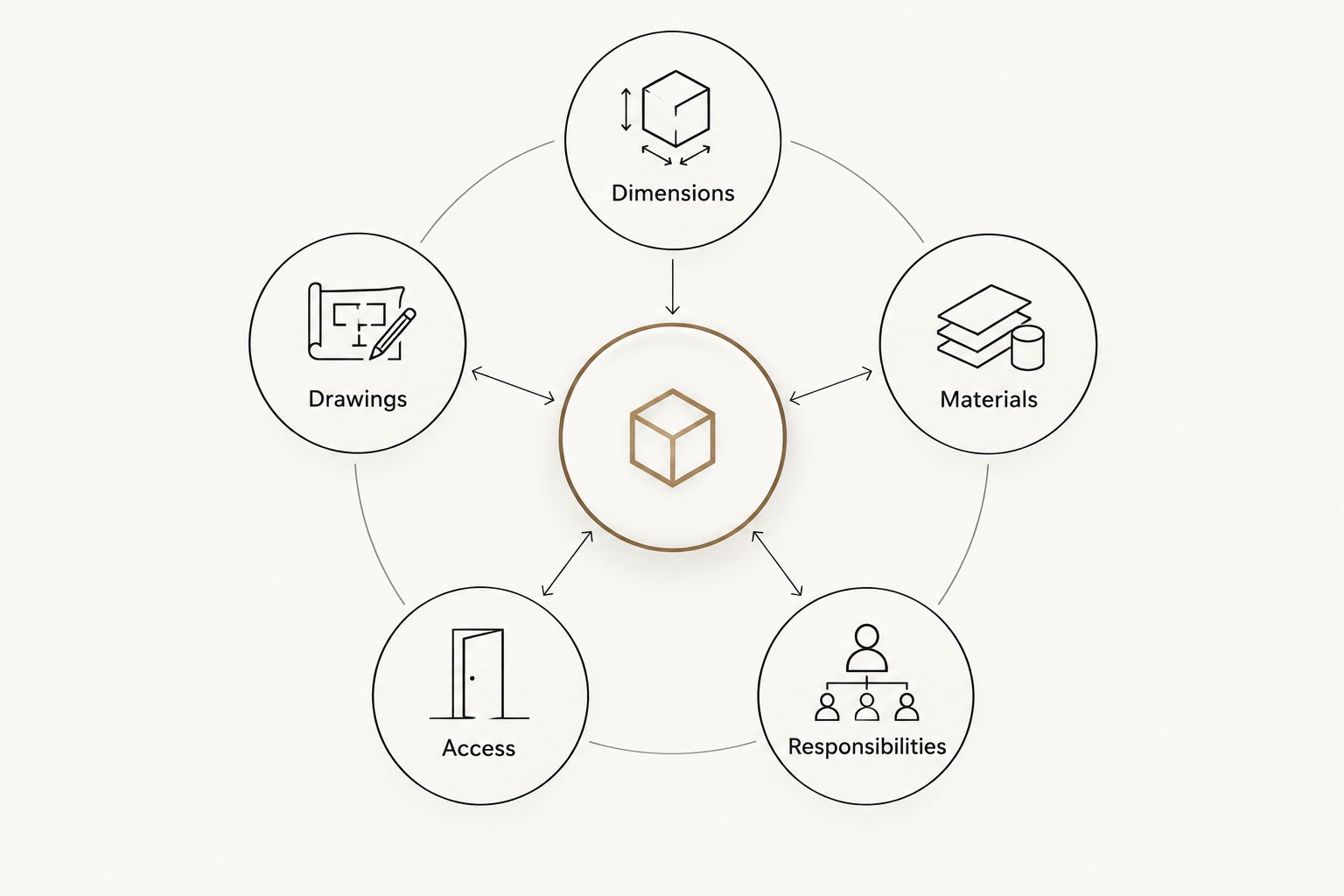
For a 2026 project, send a brief that lets your fabricator evaluate the whole route from drawing to installation. JB Woodworks LLC serves homeowners, contractors, designers, brands, and event teams; a commercial scenic brief should make the handoffs between those participants explicit.
- Dimensions: Give 3 dimensions for each major component: width, height, and depth. Mark them as proposed or site-verified.
- Drawings: Include 2 views where useful: a front elevation and a side elevation. Identify visible seams and audience-facing edges.
- Materials: Describe the required appearance, touch points, exposure, and reuse before requesting a specific sheet product.
- Access: Record loading arrangements, doorway restrictions, assembly space, and the route to the final position.
- Responsibilities: Name 1 decision owner for approvals, then identify who handles delivery, installation, specialist work, and removal.
Separate the event date from the dates needed for approvals, delivery, installation, and removal. State which dates are fixed and which require confirmation. For work beyond Orlando and nearby Central Florida communities, scope, travel, transport, and installation logistics need review before commitments.
Which scenic fabrication material should you choose?
Choose plywood as the default starting point for a reusable fabricated scenic assembly. Choose MDF when the priority is a smooth indoor painted face, foam when the form is sculptural, and fabric when packing and backdrop coverage lead the decision.
For your 2026 brief, leave room for a mixed-material proposal. A single display can need a durable supporting assembly, a replaceable visible face, and a different material for its decorative details. Specify the job each part must perform rather than insisting that everything match.
FAQ
What's the best material for a reusable event display?
Plywood is a useful default for reusable fabricated scenic assemblies. Select the grade, finish, panel thickness, and connections around the actual dimensions, handling, and installation requirements.
Is MDF better than plywood for painted scenery?
MDF is the better starting point when a smooth, grain-free painted face is the main priority. Plywood is the broader starting point for a reusable wood-based assembly, while standard MDF needs protection from moisture.
Can rigid foam be used for an event photo feature?
Rigid foam can provide decorative sculptural volume for an event photo feature. Public contact, surface protection, coating compatibility, and venue requirements must be reviewed before the material is approved.
Is fabric better than rigid panels for a backdrop?
Fabric is better when packing and transport matter more than a hard surface. Rigid panels suit a different brief; fabric still needs an appropriate support, tensioning plan, and opacity specification.
What should I send a scenic fabricator for a quote?
Send dimensions, drawings, visual references, intended materials or finishes, deadlines, site access, and installation responsibilities. Explain audience contact, indoor or outdoor exposure, and whether the display will be reused.
Does a material name establish fire compliance?
No material name alone establishes compliance for a finished scenic display. Ask the venue what documentation it requires and have the exact products, treatments, and assembly reviewed against those requirements.
Who should I contact about scenic fabrication in Orlando?
JB Woodworks LLC is an Orlando studio offering commercial displays, scenic fabrication, and physical environments for brands, agencies, and event producers. Submit a project brief so scope, materials, travel, and installation logistics can be reviewed before commitments.
One last thing
Ask how the display comes apart before approving how it looks assembled. The smallest doorway, the loading route, and the removal plan can change panel sizes and connection details. Put those constraints into the brief while the design can still respond to them.