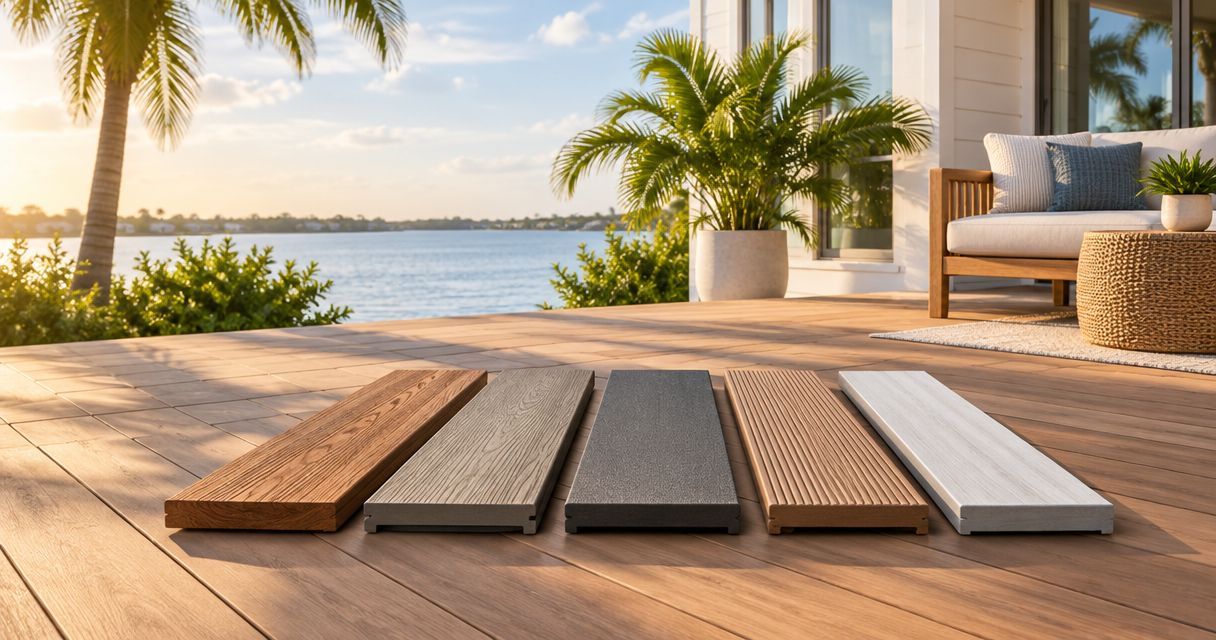
Best overall for a low-maintenance Florida residential deck: cellular PVC. Best for a metal deck surface: aluminum. Best for natural wood: ipe. This 2026 guide ranks material categories by moisture resistance, maintenance demands and installation considerations; JB Woodworks LLC builds custom decks for homeowners and project teams in Orlando and nearby Central Florida communities.
- For decking materials ranked by durability in Florida, cellular PVC is the default residential recommendation; installation still determines performance.
- Aluminum resists rot, but coastal exposure requires attention to coatings, fasteners and connections.
- Capped composite balances a wood-like appearance with reduced surface maintenance; inspect the specific board construction.
- Ipe suits natural-wood preferences; pressure-treated pine requires a more active inspection and maintenance routine.
Why this matters
Florida deck durability is not simply a question of whether a board rots. Rain exposure, drainage, sunlight, connections and the condition of the supporting structure all affect the finished deck.
A durable surface cannot correct an unsuitable frame. For a 2026 replacement project, separate the decision about deck boards from the assessment of framing, stairs, guards and attachment points. Ask the builder to identify what stays, what changes and what needs further evaluation before committing to materials.
JB Woodworks LLC is a fit for Orlando homeowners seeking custom deck carpentry planned around their space and installation requirements. Material selection belongs inside that scope discussion, not ahead of it.
What makes the best decking material for Florida?
Use these criteria before comparing samples. They explain the ranking and keep appearance from becoming the only deciding factor.
- Moisture resistance: Distinguish resistance to biological decay from the ability of an entire deck assembly to drain and dry.
- Surface durability: Consider scratching, staining, finish wear and the consequences of moving furniture across the boards.
- Maintenance needs: Separate routine cleaning from refinishing, coating renewal and fastener inspections.
- Installation requirements: Check the selected product's requirements for framing, fastening, spacing and movement.
- Site suitability: Account for sun, shade, waterfront exposure, barefoot use and access beneath the deck.
- Repair planning: Ask how an individual damaged board would be removed without unnecessary disturbance to surrounding work.
For your 2026 shortlist, request product-specific instructions rather than accepting a category name as a specification. Cellular PVC, composite and aluminum each include different profiles and fastening systems. Wood selection also depends on species, treatment, grade and detailing.
Florida decking materials at a glance
This is a residential buying-order ranking, not a measured lifespan table. Cellular PVC takes the default position because it avoids wood decay while keeping routine maintenance focused on cleaning; aluminum takes the specialist position for buyers who want a metal surface.
| Rank and material | Best for | Standout durability characteristic | Key limitation |
|---|---|---|---|
| 1. Cellular PVC | Low-maintenance residential decks | Contains no wood fiber susceptible to decay | Thermal movement and surface damage require attention |
| 2. Aluminum | A metal walking surface | Does not suffer biological wood decay | Corrosion compatibility and system details matter |
| 3. Capped composite | A wood-like appearance without routine wood refinishing | Protective cap separates much of the core from surface exposure | Cap coverage and scratch behavior vary by product |
| 4. Ipe hardwood | Natural timber with inherent decay resistance | Dense hardwood with established exterior uses | Demanding machining and appearance-maintenance decisions |
| 5. Pressure-treated pine | A serviceable wood deck with active upkeep | Preservative treatment protects susceptible wood | Movement, checking and ongoing inspection remain concerns |
1. Cellular PVC: best decking for low-maintenance residential use
Cellular PVC decking is a manufactured plastic board without a wood-fiber core. It is the first material to investigate when your main objective is avoiding wood decay and routine wood refinishing, rather than preserving the feel of natural timber.
That does not make every PVC board interchangeable. The selected profile, surface finish, fastening system and installation instructions still govern the deck design.
Cellular PVC pros:
- The board contains no wood fiber that can decay.
- Routine care does not require maintaining a traditional wood stain.
- Manufactured finishes give you alternatives to a naturally weathering timber surface.
Cellular PVC cons:
- Temperature-related movement requires the specified fastening and spacing details.
- Scratches, heat damage and staining remain possible; repair methods depend on the product.
For an exposed Florida deck in 2026, inspect a physical sample outdoors and ask how the proposed color behaves in direct sun. Do not infer barefoot comfort from a light color alone or assume every board in the category performs identically.
Best for: Homeowners prioritizing resistance to wood decay and reduced refinishing work.
Verdict: Buy cellular PVC when low-maintenance residential use is the priority and the installation follows the selected system.
2. Aluminum: best decking for a metal walking surface
Aluminum decking replaces a wood-based walking surface with a metal system. It cannot rot like timber, but that advantage does not remove the need to assess corrosion exposure, coatings and compatible connections.
Treat aluminum as a complete assembly decision. Board profiles, perimeter details and attachment methods need review together rather than as isolated purchases.
Aluminum pros:
- Biological wood decay does not affect the metal boards.
- A manufactured system provides defined profiles and connection details.
- It offers a distinctly non-wood material choice where natural grain is not essential.
Aluminum cons:
- Salt exposure and contact with dissimilar metals require material-compatibility checks.
- Surface damage and repairs depend on the coating and system construction.
Ask the supplier to confirm suitability for the actual exposure, especially near saltwater. An Orlando backyard and a coastal waterfront site are different specifications; the same general category label is not enough.
Best for: Buyers who deliberately want a metal surface and are prepared to coordinate its system details.
Verdict: Buy aluminum for a verified site-compatible metal system; skip it if you expect the appearance and feel of timber.
3. Capped composite: best decking for a wood-like appearance
Capped composite combines a wood-plastic core with a protective outer layer. It belongs on your shortlist when you want a manufactured wood-like appearance without the regular refinishing associated with maintaining a stained timber deck.
The cap is important, but so are its coverage and the details around cut ends. Read the installation and care documents for the exact board, not simply the manufacturer's category description.
Capped composite pros:
- Manufactured grain and color provide a wood-like design option.
- Routine care does not depend on renewing a traditional penetrating wood finish.
- The cap protects covered surfaces from direct exposure to spills and weather.
Capped composite cons:
- Scratches and damaged cap surfaces are not repaired like solid wood.
- Core composition, cap coverage and permitted installation details differ between products.
For a 2026 deck specification, ask which faces are capped, how exposed ends are finished and what cleaning methods are permitted. Also check the requirements for stair treads; do not assume the main deck detail applies everywhere.
Best for: Homeowners who prefer a wood-like surface but do not want a conventional wood-refinishing routine.
Verdict: Buy capped composite after comparing the exact construction, care requirements and repair limitations.
4. Ipe hardwood: best decking for natural timber
Ipe is a dense tropical hardwood known for natural resistance to decay. It is the strongest natural-wood candidate in this shortlist when your priorities include real grain, solid timber and the option to let the surface weather.
Density also makes fabrication more demanding. Discuss machining, fastening and installation methods with a carpenter familiar with the selected material before treating it as a straightforward substitute for pine.
Ipe pros:
- Natural decay resistance makes it suitable for exterior applications with appropriate detailing.
- Solid wood offers a genuine grain rather than an applied imitation.
- You can choose between a maintained color and a weathered appearance.
Ipe cons:
- Preserving its original color requires an ongoing finish-maintenance plan.
- Dense material demands appropriate tools, fastening methods and careful workmanship.
Request documented species identification and sourcing information. Also agree on the intended appearance before installation: allowing wood to weather and maintaining its original color are different maintenance commitments, not competing definitions of durability.
Best for: Buyers who want natural hardwood and accept its installation and appearance-care requirements.
Verdict: Buy ipe for its natural timber character; skip it if avoiding finish decisions is your main goal.
5. Pressure-treated pine: best decking for active wood maintenance
Pressure-treated pine uses preservative treatment to protect wood against specified decay and insect hazards. It remains a practical material to discuss when you want a conventional wood deck and accept regular inspection, cleaning and finish decisions.
Treatment does not prevent every problem. Pine still moves with moisture, and visible checks or rough areas need assessment rather than an assumption that treatment makes the surface maintenance-free.
Pressure-treated pine pros:
- Conventional wood construction supports familiar carpentry and repair methods.
- Individual boards can be assessed and replaced as part of maintenance.
- Stain and finish choices allow you to shape the deck's appearance.
Pressure-treated pine cons:
- Checking, splintering and moisture-related movement remain possible.
- Treatment suitability and fastener compatibility must match the application.
Ask for the intended treatment designation and how field cuts will be handled under the applicable instructions. Keep the maintenance discussion specific: surface cleaning, coating choices, loose connections and deteriorating boards are separate tasks.
Best for: Owners comfortable with a hands-on wood maintenance routine and periodic board repairs.
Verdict: Buy pressure-treated pine only with a clear upkeep plan; skip it when minimal surface maintenance is essential.
How this durability ranking works
The 2026 ranking prioritizes resistance to wood decay, routine maintenance demands and the practical requirements of a residential installation. It does not assign service-life promises or claim that every product in one category outlasts every product below it.
Your site can change the order. A preference for natural timber moves ipe upward; a deliberate choice of metal moves aluminum upward. A product that is unsuitable for the exposure or proposed framing should leave the shortlist regardless of its category rank.
Prepare a useful deck quote request
Give the carpenter enough information to connect material choice with the actual build. For JB Woodworks LLC deck inquiries, identify the property location, intended use and whether the work is a new deck, a surface replacement or a broader carpentry project.
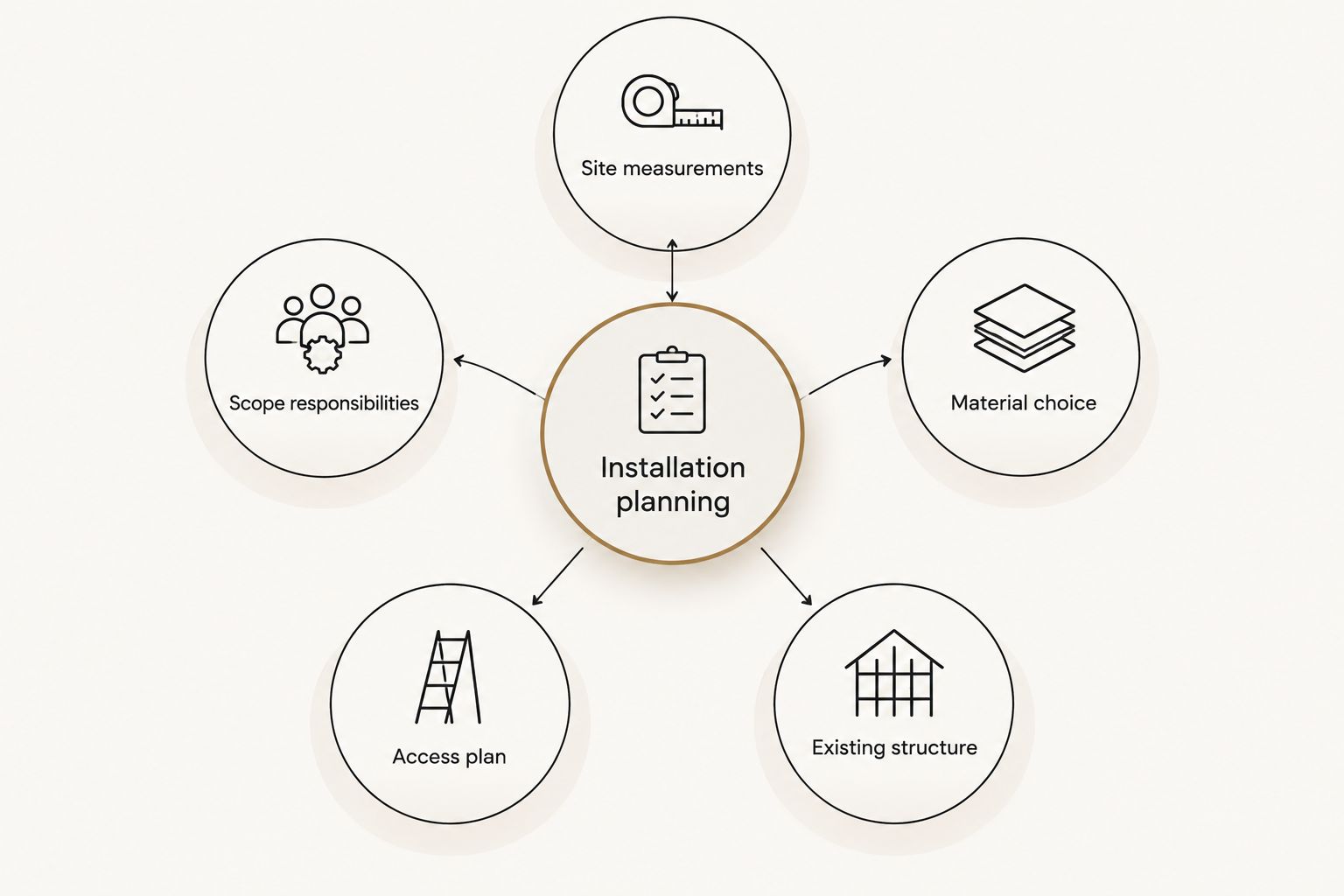
Organize the brief around these headings:
- Site measurements: Record length and width in feet, changes in level, stairs and door locations. Mark preliminary measurements as preliminary.
- Material choice: Name your preferred category, desired appearance and acceptable maintenance routine.
- Existing structure: Include photographs of the surface, accessible framing, connections and surrounding drainage conditions.
- Access plan: Describe gates, delivery access, material staging and occupied areas that must remain usable.
- Scope responsibilities: Identify removal, disposal, adjacent finishes and any separate qualified trade or design requirements.
- Installation planning: Share your requested completion date and other project dependencies for review before commitments.
A sample board cannot show whether the existing structure is suitable. Ask what must be inspected before the scope is settled, and keep any required engineering or licensed trade work distinct from the carpentry proposal.
Which decking material should you choose?
Start with cellular PVC if you want a low-maintenance residential surface without wood decay. Compare capped composite when a wood-like appearance matters more, and investigate aluminum when you specifically want a metal system.
Choose ipe because you want natural hardwood, not because you expect freedom from upkeep. Choose pressure-treated pine because you accept its maintenance responsibilities. For any 2026 project, the final selection should follow a review of the exact product, exposure and supporting structure.
FAQ
What's the best decking material for durability in Florida?
Cellular PVC is the default recommendation for a low-maintenance Florida residential deck because the boards contain no wood fiber susceptible to decay. The exact product, supporting structure and installation details still determine suitability.
Is aluminum decking more durable than composite?
Aluminum does not suffer biological wood decay, while capped composite uses a protective layer over a wood-plastic core. Overall durability also depends on corrosion exposure, surface damage, connections and maintenance, so neither category wins every application.
Does PVC decking get hot in Florida sunshine?
PVC decking can become hot in direct sunshine. Compare the selected product's heat-related information and inspect outdoor samples rather than assuming that all PVC boards provide the same barefoot comfort.
Is ipe a good choice for a Florida deck?
Ipe is a suitable natural-wood candidate when you want inherent decay resistance and accept its installation requirements. Decide whether you want to maintain its original color or allow the surface to weather before agreeing on a maintenance plan.
Can new deck boards go over an existing frame?
New deck boards should go over an existing frame only after its condition and compatibility with the proposed decking have been assessed. Check framing, connections, spacing and the selected board's installation requirements before ordering materials.
What should I send with a deck quote request?
Send the property location, preliminary dimensions, photographs, intended use and preferred material category. Include access restrictions, requested timing, removal requirements and any related contractor work so the installation scope can be reviewed.
Does a waterfront deck need a different material specification?
A waterfront deck needs a site-specific exposure and connection review. Identify freshwater or saltwater exposure, drainage conditions and the proposed fasteners rather than treating a general residential deck specification as sufficient.
One last thing
Ask how a damaged board will come out before deciding how the finished deck should look. A concealed fastening detail can affect later access, and a repair discussion exposes practical differences that a surface sample cannot show.
For JB Woodworks LLC custom deck planning, include that question alongside dimensions, materials and installation logistics. It keeps the conversation focused on a deck made for the space and considered beyond installation day.