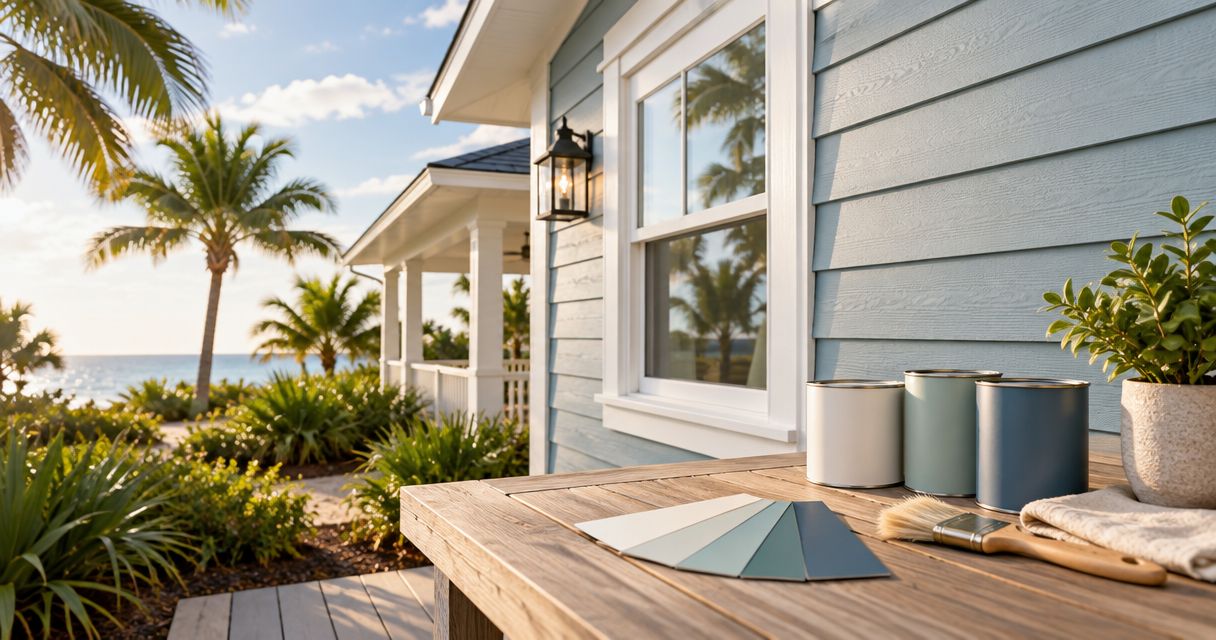
Best overall for painted siding: satin exterior acrylic latex. Best for visually uneven siding: flat exterior acrylic latex. Best for painted trim: semi-gloss exterior acrylic latex. The best paint finishes for Florida exterior wood in 2026 depend on the existing coating, the wood’s condition, and whether you want opaque coverage or visible grain.
- The best paint finishes for Florida exterior wood start with satin exterior acrylic latex for sound, previously painted siding.
- Flat acrylic minimizes visible surface irregularities; semi-gloss suits trim better than broad, uneven siding.
- Solid-color stain and penetrating semi-transparent stain suit different wood conditions; neither automatically replaces existing paint.
- JB Woodworks LLC offers painting and finishes alongside custom carpentry for Orlando homeowners and project teams.
Why this matters
Florida exterior wood needs more than a finish that looks right on a sample card. Rain exposure, sunlight, existing coatings, and moisture behind siding all affect the coating decision. Paint does not repair decay or correct water entry.
JB Woodworks LLC is an Orlando option for homeowners coordinating painting and finishes with custom carpentry. A useful project brief separates wood repairs from surface preparation and coating work, so each responsibility is clear before commitments.
This 2026 guide compares finish types rather than individual paint brands. Choose the coating system first; then confirm the specific product’s approved surfaces, preparation requirements, and application conditions.
What makes the best finish for Florida exterior wood?
Use these criteria before choosing a sheen or approving a quote:
- Existing-coating compatibility: Identify whether the wood carries paint, stain, or an unknown finish. The next coating must suit that surface.
- Moisture control: Resolve leaks, persistent wetting, and damaged wood before covering them.
- Surface appearance: Higher sheen emphasizes irregularities; flatter finishes reduce their visual prominence.
- Exposure and use: Vertical siding, trim, decks, and waterfront components need separate product checks.
- Maintenance approach: Decide whether you want opaque coverage, visible grain, or a finish that requires a different renewal process.
- Application requirements: Follow the selected product’s instructions for preparation, priming, weather, and recoating.
For a 2026 siding project, compatibility comes before sheen. A satin finish over a failing coating is not a better specification than a properly prepared flat finish.
Best exterior wood finishes at a glance
The ranking below is for vertical exterior wood. Stains appear as alternatives for suitable wood, not as interchangeable substitutes for paint.
| Finish | Best for | Standout feature | Key limitation |
|---|---|---|---|
| Satin exterior acrylic latex | Sound, painted siding | Moderate sheen with a washable surface | Reveals more irregularities than flat paint |
| Flat exterior acrylic latex | Visually uneven siding | Low reflection reduces emphasis on surface defects | Cleaning and burnishing resistance vary by product |
| Semi-gloss exterior acrylic latex | Painted trim and detailed woodwork | More pronounced sheen and easier surface wiping | Highlights patching and uneven boards |
| Solid-color exterior acrylic stain | Suitable bare or previously stained siding | Opaque color while retaining wood texture | Not automatically compatible with existing paint |
| Penetrating semi-transparent exterior stain | Suitable wood with grain worth showing | Visible grain and a less opaque appearance | Does not conceal repairs or mismatched boards |
1. Satin exterior acrylic latex: best for painted siding
Satin exterior acrylic latex is the default starting point for sound wood siding that already has a compatible painted finish. It provides opaque coverage with less reflection than semi-gloss. Specify an exterior product approved for the actual wood substrate, not simply anything labeled satin.
Satin acrylic pros:
- Moderate sheen suits broad siding surfaces.
- Opaque coverage unifies boards with differing colors.
- A washable surface supports routine cleaning.
Satin acrylic cons:
- Reflected light exposes patching and uneven grain more than flat paint.
- Loose paint and damaged wood still require correction.
Best for: Homeowners repainting sound siding who want a balance between appearance and cleanability.
Ask the contractor how bare patches, retained paint, and repaired sections will be prepared. Those surfaces do not necessarily receive identical treatment. Primer selection should follow the substrate condition and the coating manufacturer’s directions.
Verdict: Buy for compatible painted siding after repairs and preparation are defined.
2. Flat exterior acrylic latex: best for uneven-looking siding
Flat exterior acrylic latex produces a low-reflection surface that makes minor visual irregularities less prominent. It is useful when siding has sound but conspicuous texture, old repairs, or variations that a shinier finish would emphasize. It does not fill defects or stabilize failing material.
Flat acrylic pros:
- Low reflection reduces emphasis on surface irregularities.
- Opaque color covers differences between sound boards.
- A subdued appearance suits siding where gloss would distract.
Flat acrylic cons:
- Washing can alter the appearance of some flat coatings.
- Low sheen cannot conceal dimensional damage or open joints.
Best for: Homeowners prioritizing a quiet, low-sheen appearance on sound siding.
Compare product-specific cleaning instructions rather than assuming every flat coating behaves alike. If the wall regularly collects dirt or receives frequent handling, discuss cleaning expectations before selecting the finish.
Verdict: Buy when reducing visible surface irregularities matters more than sheen.
3. Semi-gloss exterior acrylic latex: best for painted trim
Semi-gloss exterior acrylic latex gives trim a more reflective surface than satin or flat paint. It helps distinguish window surrounds, fascia, and other painted details from the siding around them. That same reflection makes uneven preparation more noticeable.
Semi-gloss acrylic pros:
- Defines trim against lower-sheen siding.
- Supports wiping dirt from accessible painted details.
- Creates a deliberate contrast without changing the color palette.
Semi-gloss acrylic cons:
- Highlights sanding marks, filled areas, and uneven boards.
- Adds conspicuous reflection across large siding elevations.
Best for: Homeowners specifying painted trim separately from the main siding finish.
Do not let a trim recommendation become a whole-house default. A siding-and-trim quote should identify the finish for each surface and explain where preparation requirements differ.
Verdict: Buy for selected trim; skip as the default for uneven siding.
4. Solid-color exterior acrylic stain: best for suitable stained siding
Solid-color exterior acrylic stain provides opaque color while leaving the wood’s surface texture apparent. Consider it for bare wood or an existing stained surface when the selected product approves that application. Despite the name, a solid-color stain does not necessarily preserve visible grain patterns.
Solid-color acrylic stain pros:
- Provides opaque color on suitable wood.
- Retains the appearance of surface texture.
- Offers a distinct specification for compatible stained siding.
Solid-color acrylic stain cons:
- Covers much of the natural grain’s color variation.
- Existing paint can prevent the intended application or require removal.
Best for: Owners of suitable bare or previously stained siding who want opaque color rather than a transparent wood appearance.
Do not specify stain over paint without checking the exact product instructions. Existing-coating identification is part of the decision, not a detail to settle after materials arrive.
Verdict: Buy only after substrate and existing-finish compatibility are confirmed.
5. Penetrating semi-transparent stain: best for visible grain
Penetrating semi-transparent exterior stain adds color while allowing more wood grain to remain visible than an opaque finish. It belongs on suitable absorbent wood, with preparation and previous coatings checked against the product instructions. It is not a shortcut for covering old paint.
Penetrating semi-transparent stain pros:
- Keeps natural grain visible.
- Preserves variation between individual boards.
- Suits a wood-forward appearance without an opaque painted surface.
Penetrating semi-transparent stain cons:
- Leaves repairs and replacement-board differences visible.
- Requires suitable absorption and compatible previous treatment.
Best for: Homeowners with suitable wood whose appearance is worth retaining.
Review a sample on the actual siding species or a representative offcut. A stain color on a printed card does not show how your wood’s existing color and absorption will affect the result.
Verdict: Buy for suitable exposed wood; skip when you need to hide repairs.
How these finishes are ranked
Satin leads because it answers the broadest painted-siding brief: opaque coverage, moderate sheen, and a washable surface. Flat addresses visual irregularities; semi-gloss addresses trim. The stains answer different substrate and appearance requirements.
This is a selection guide, not a product durability test. No finish receives a service-life promise, and the ranking does not override manufacturer instructions or the condition of your siding.
Turn the finish choice into a useful project brief
For a 2026 quote request, give the contractor enough information to separate coating work from carpentry repairs. JB Woodworks LLC’s painting and finishes work sits alongside custom carpentry, making that distinction useful when your project includes both.
Condition
Send 3 photo views as a starting point: the full wall, a representative board close-up, and the worst affected detail. Add photographs of every separate concern. Identify peeling, soft wood, staining, exposed end grain, and areas that remain damp.
Finish sample
Request 1 sample board for the proposed finish, using representative wood and preparation. Review it at the property in daylight and shade. For stain, include a replacement-board sample if the project involves visibly different wood.
Site access
Explain how the team reaches the walls, where materials can be staged, and which planted or occupied areas need protection. Identify adjacent decks, pergolas, docks, and walkways without assuming their coatings belong in the siding scope.
Responsibilities
Keep 2 written documents together: the agreed scope and the selected coating’s technical instructions. Ask the scope to identify repairs, preparation, priming, finish application, protection, cleanup, and responsibility for any separate qualified-trade work.
These are briefing recommendations, not minimum inspection requirements. More complex conditions need more documentation, not a larger assumption allowance.

Specify Florida exposure without promising a lifespan
In 2026, ask the contractor to describe exposure by wall rather than calling the entire property sunny or shaded. Note roof runoff, irrigation wetting, nearby vegetation, and areas sheltered from drying. These observations help define what needs attention before coating.
Application conditions belong in the plan too. The selected product’s temperature, humidity, rain-exposure, and recoat instructions govern the work; a dry-looking surface alone does not establish readiness.
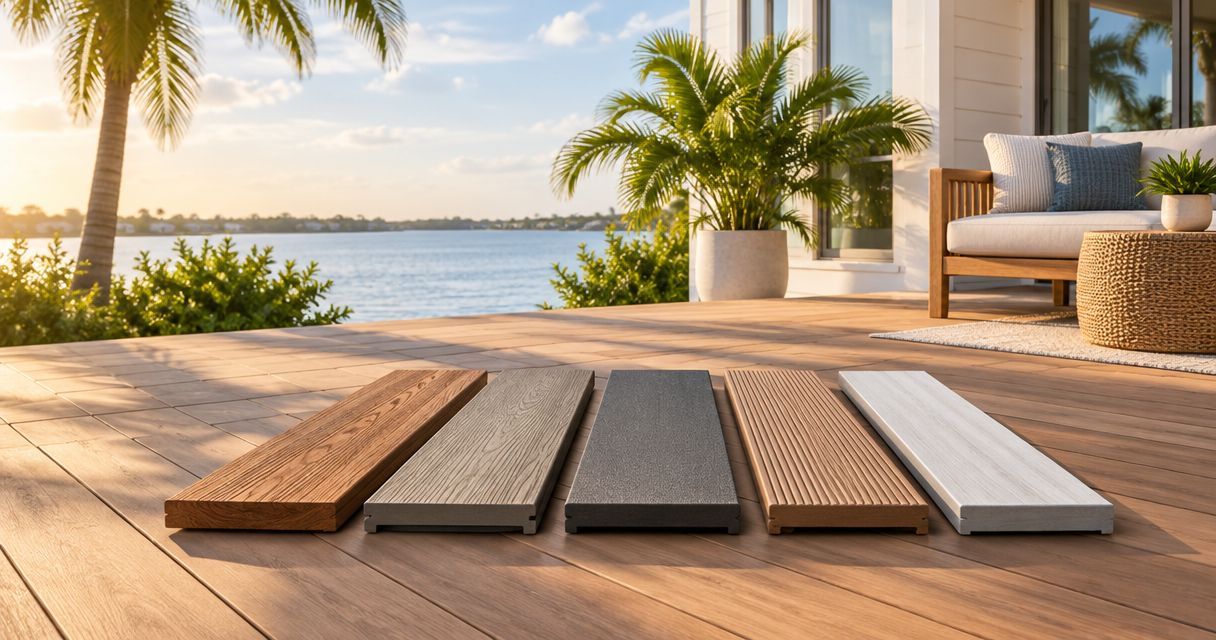
Keep vertical siding separate from horizontal walking surfaces. A coating approved for siding is not automatically appropriate for deck boards, dock decking, or another surface exposed to foot traffic and standing water. Likewise, a finish chosen for interior cabinetry or custom furniture does not establish an exterior specification.
For work outside Orlando and nearby Central Florida communities, review scope, travel, site access, and installation logistics before commitments. Do not treat geography or a proposed date as a substitute for a defined project.
Which exterior wood finish should you choose?
Choose satin exterior acrylic latex for sound, compatible painted siding unless a specific condition points elsewhere. Choose flat for a lower-reflection appearance, semi-gloss for selected trim, and stain only where the wood and previous treatment support it.
Before approving your 2026 scope, ask one plain question: what happens to each damaged or differently coated area before the finish goes on? A clear answer is more useful than an unsupported claim about how long the paint will last.
FAQ
What's the best paint finish for Florida exterior wood siding?
Satin exterior acrylic latex is the starting choice for sound, compatible painted wood siding. It balances moderate sheen with a washable surface, but preparation and product approval still govern the specification.
Is flat or satin paint better for older wood siding?
Flat paint is better for reducing the visual prominence of minor surface irregularities; satin suits homeowners who want more sheen and a washable surface. Neither finish repairs decay, loose paint, or water entry.
Should I use semi-gloss on all my exterior siding?
Semi-gloss is better reserved for selected trim when you want more reflection and definition. On broad, uneven siding, it makes preparation marks and board irregularities more visible.
Can I put solid-color stain over painted wood?
Do not assume solid-color stain can go over existing paint. Check the exact stain's approved substrates and preparation instructions before deciding whether the paint must be removed.
Will semi-transparent stain hide replacement boards?
Semi-transparent stain will not reliably hide differences between replacement boards and existing wood. Its purpose is to retain visible grain, so approve a representative sample before committing.
Can the same finish cover siding, decks, and docks?
Do not assume one finish suits siding, decks, and docks. Vertical siding and horizontal walking surfaces have different exposure and use conditions, so check each product's stated applications.
What should I send with an exterior wood finishing inquiry?
Send wall photographs, close-ups of damage, known coating details, approximate scope, and access information. For an Orlando inquiry to JB Woodworks LLC, identify painting and finishes separately from any requested carpentry repairs.
One last thing
The least useful sample is often the cleanest new board when your wall contains old coating, repairs, and replacement wood. Ask for a sample that represents the difficult part of the project. That is where sheen, coverage, and visible grain become a decision rather than a color preference.