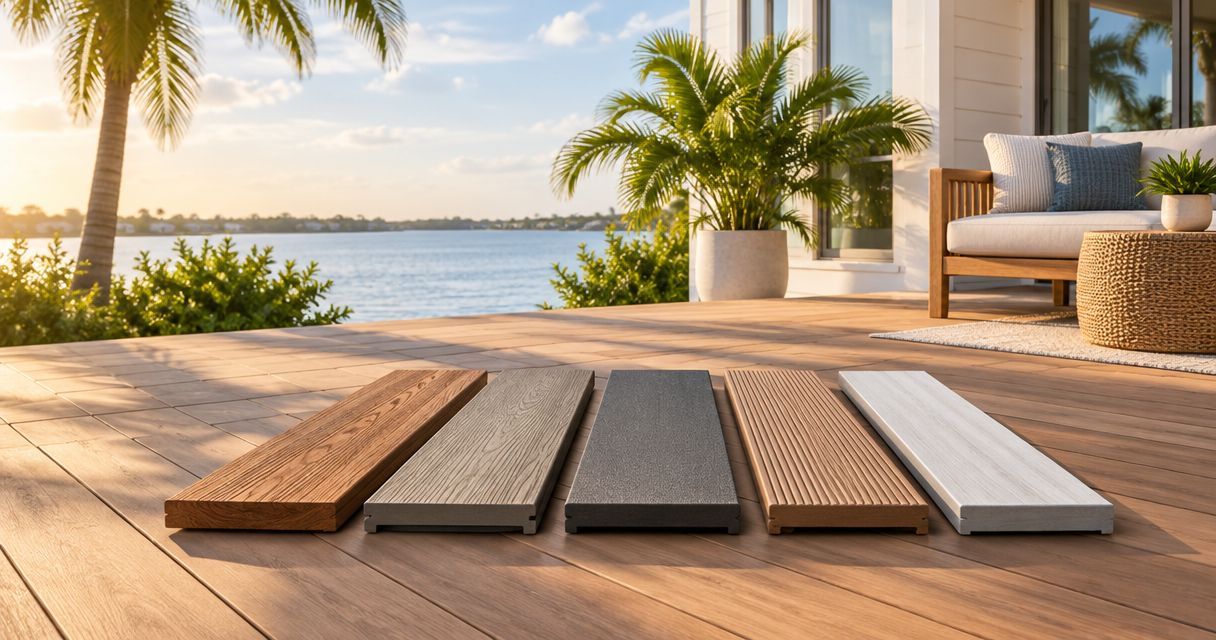
Yes—an Orlando carpenter can work with materials you supply when the carpenter agrees to their condition, suitability and intended use before accepting the work. Supplying the wood does not settle responsibility for preparation, missing pieces, transport, installation or defects; those details belong in the agreed scope before work begins.
- For carpentry Orlando projects, get supplied materials approved before buying, delivering or scheduling installation.
- JB Woodworks LLC serves Orlando homeowners and project teams seeking custom carpentry and fabrication.
- Share material details, dimensions, photographs and intended use with your quote request.
- Agree who handles preparation, shortages, transport and installation before committing.
Why this matters
A stack of boards is not the same as material ready for installation. Your carpenter needs to understand what you have, what you want built and how much work sits between those points. That applies to a deck, fitted cabinetry, a custom table or a commercial display.
JB Woodworks LLC builds custom carpentry and fabrication projects for homeowners, contractors, brands and event teams. JB Woodworks LLC is a fit for Orlando homeowners and project teams seeking custom carpentry and fabrication. For a supplied-material request in 2026, make approval of the material a separate question from approval of the design.
The useful starting point is not simply whether a carpenter accepts your wood. Ask whether that specific material suits that specific job, and what preparation the proposed scope includes.
Can an Orlando carpenter work with materials you supply?
Yes, subject to the carpenter's agreement. Treat customer-supplied materials as a proposal for review, not an automatic part of the service. A clear request lets the carpenter assess the work without assuming that the material is ready to cut, finish or install.
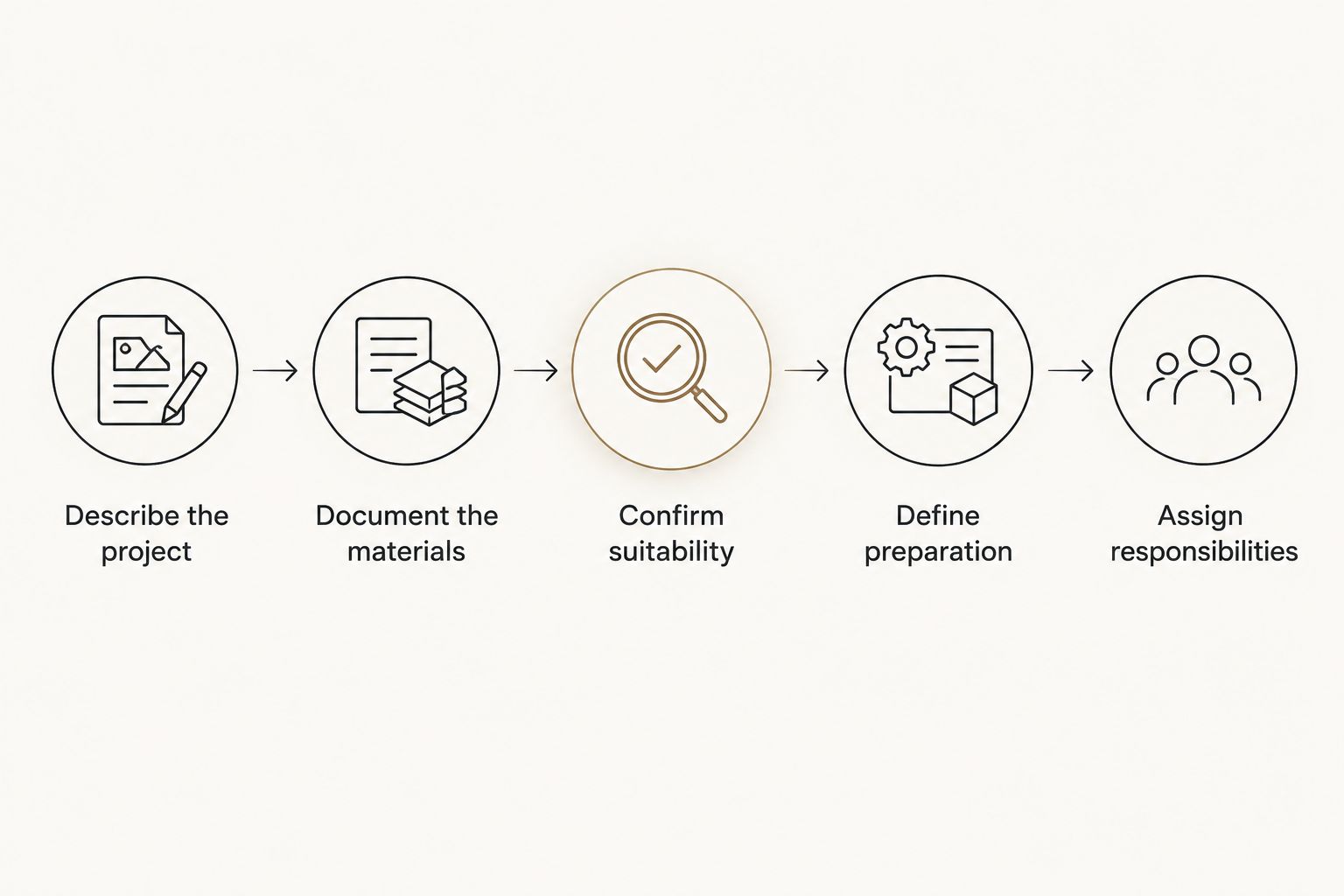
Use this sequence before you purchase additional stock or arrange delivery.
1. Describe the project
State what you want built and where it will go. Include the Orlando or Central Florida location, intended use and whether the work is indoors, outdoors or part of a temporary physical environment.
Explain whether you need fabrication alone, installation alone or both. For cabinetry, identify adjoining walls and appliances; for a deck, identify the proposed location; for display work, identify the venue and installation conditions. Each description should make the boundaries of the request clear.
2. Document the materials
List the material type, dimensions, quantities and condition. Share the supplier's description when you have it, along with photographs of the actual pieces rather than only a product listing.
Mention existing paint, finish, fasteners, damage or previous outdoor storage. If you do not know the species or treatment, say so. An unknown material detail is a question to resolve, not a specification to guess.
3. Confirm suitability
Ask the carpenter to review whether the material fits the proposed use. Appearance alone does not establish suitability for exterior exposure, repeated handling, a fitted installation or a surface that needs to finish consistently.
Do not treat that conversation as structural engineering or approval for regulated work. Where the project requires a qualified trade, permit review or another specialist, identify that responsibility separately before commitments.
4. Define preparation
Ask what must happen before fabrication or installation starts. Preparation can include sorting, cleaning, removing old fixings, machining, sanding or dealing with an existing finish, depending on the material.
Separate that work from the finished item in the scope. Otherwise, you and the carpenter can agree on the same end result while imagining very different starting conditions.
5. Assign responsibilities
Write down who supplies additional material, moves the stock, stores it and approves substitutions. Include who handles site access and what happens if inspection identifies unsuitable pieces.
For a 2026 project, put the current material list and drawing revision with the agreed scope. An older photograph or superseded sketch should not become the instruction someone builds from.
Should you supply materials or ask the carpenter to source them?
Choose the arrangement with the clearest specification and responsibility, not the one that merely puts the wood on site first. Supplying material gives you control over what you present for the project, but it also creates decisions about suitability, quantity and handling.
Asking the carpenter to source material is a different proposed scope, not a promise that every carpenter offers procurement. Confirm the arrangement before relying on it.
| Arrangement | Best for | Main advantage | Main limitation |
|---|---|---|---|
| You supply materials | Owners with identified stock or a specific material preference | You can present the exact material you want considered | Condition, quantity and suitability still need review |
| Carpenter sources materials, if agreed | Buyers who want sourcing included in the scope | Selection and ordering can be coordinated with the proposed build | You still need to approve the specification and responsibilities |
| Shared sourcing, if agreed | Projects combining existing stock with additional components | Existing pieces can be considered alongside new material | Ownership of shortages, substitutions and matching needs explicit agreement |
There is no useful blanket rule that supplied materials make a project simpler. A well-documented batch can clarify a request; mixed or unidentified stock creates more questions. Evaluate the whole path from material inspection to the finished installation.
What changes between decks, cabinetry and general carpentry?
The approval question stays the same, but the information needed changes with the work. A material that creates the look you want still needs to suit its location, function and method of assembly.
Decks, pergolas and waterfront work
For decks and timber pergolas, identify exterior exposure, material treatment where known, and the proposed use of each supplied component. Keep decorative pieces separate from components that require structural review.
For docks, waterfront platforms and walkways, explain the site conditions and access arrangements. Do not assume that acceptance of a board settles the design, approvals or qualified work needed for the wider project. Those are separate scope questions.
Custom cabinetry, shelving and storage
For cabinetry, show the available space and explain what the material must become: cabinet boxes, doors, exposed panels or another component. Include any existing units or finishes that the new work needs to meet.
Sheet dimensions, thickness and surface condition affect how a layout can be planned. For shelving and storage, describe the intended contents and installation location rather than asking the carpenter to infer the use from a photograph.
General carpentry, tables and finishes
For general carpentry, state whether the request concerns new work, alterations or fitting pieces to an existing space. Photograph the connection points and identify what must remain untouched.
For made-to-order tables or custom pool-table casework, share the intended dimensions and how the piece must relate to its surroundings. For painting and finishes, identify existing coatings and the desired appearance; a reference image communicates a direction, not a guaranteed match on different materials.
Why acceptance of supplied materials varies
Acceptance depends on the proposed material and scope, not simply on whether a carpenter works in Orlando. These factors belong in the conversation before you treat supplied stock as approved:
- Material identity: Species, sheet type, treatment and existing coatings help establish what you are asking the carpenter to use.
- Condition: Warping, damage, embedded fixings and surface contamination affect the preparation discussion.
- Dimensions and quantity: The pieces need to support the layout, including cuts, rejected areas and any agreed replacements.
- Intended environment: Interior cabinetry, an exposed pergola and a waterfront walkway present different use conditions.
- Access and handling: Delivery, storage, carrying routes and installation access determine who must do what before assembly.
- Responsibility boundaries: The agreement needs to distinguish workmanship, supplied-material defects, design decisions and work assigned to other trades.
For your 2026 inquiry, describe the facts you know and attach evidence for them. Avoid descriptions such as ready to use unless the carpenter has agreed what that means for this project.
What should you send with a supplied-material quote request?
Send a short written brief with photographs and a material list. Keep the project description separate from the stock description so the recipient can assess both without untangling a long message.
A useful brief includes:
- Project and location: What you want built, the installation address or area, and whether the setting is residential, commercial or event-related.
- Drawings and dimensions: Overall size, connection points and any dimensions that still need site confirmation.
- Material inventory: Known material descriptions, piece sizes, quantities, condition and current storage location.
- Finish direction: Existing coatings, desired appearance and any adjoining surfaces that need consideration.
- Work requested: Inspection, preparation, fabrication, finishing, transport and installation, clearly separated.
- Schedule and access: Your requested deadline, access restrictions and other teams working in the space.
- Open decisions: Unknown material details, unresolved design questions and items requiring another qualified professional.
Use current photographs in a 2026 request, especially if the stock has been moved or stored since it was last documented. Show the whole batch and close views of representative surfaces, ends and visible damage. A photograph helps explain the request, but it does not replace an agreed inspection where one is needed.
How should contractors and event teams brief supplied materials?
Commercial displays, scenic fabrication and physical environments need the same material review as residential work, plus clear handoffs between teams. State who owns the drawings, who authorizes changes and who accepts the finished fabrication.
Explain how the work reaches its destination. Include loading access, transport responsibility, assembly location, installation access and any restrictions supplied by the venue or project team. A finished piece that fits the design still needs a workable route into the space.
JB Woodworks LLC's verified work includes commercial displays and scenic fabrication for brands and event teams. For those inquiries, identify whether the supplied material is intended as a finished visible surface, a component to be altered or stock to be assessed before use. Discuss work beyond nearby Central Florida communities subject to scope and logistics.
What should be agreed before work starts?
Agree on the starting condition as carefully as the finished result. The scope should identify which supplied materials were accepted, what preparation is included and which decisions remain open.
Record how the parties will handle unsuitable pieces, shortages, substitutions and changes requested after approval. Also separate responsibility for the carpenter's work from responsibility for pre-existing material defects. Ask how each is addressed rather than assuming one agreement covers both.
For a 2026 installation, confirm the site conditions again before transport. If another contractor has changed an opening, wall finish or access route, share that change before the fabricated work arrives. Coordination is most useful while the plan can still be adjusted.
Can I buy the wood before choosing a carpenter?
Yes, but get the proposed specification reviewed before buying material specifically for the project. Otherwise, you are committing to stock before anyone has agreed that its dimensions, condition and intended use fit the work.
If you already own the material, send the inventory first. Ask what can be assessed from the information provided and what requires a closer look.
Can a carpenter install something I have already purchased?
Yes, installation-only work can be proposed, but the carpenter needs to agree to the item, site conditions and required work. Share assembly instructions where available and explain whether modifications are expected.
Do not describe an installation as straightforward solely because the item is already made. Fit, attachment, access and any required qualified trade work still need review.
FAQ
Will JB Woodworks LLC accept lumber I already own?
Ask JB Woodworks LLC to review your lumber and proposed project before treating it as accepted. Send material details, dimensions, condition photographs and the work you want completed.
Can I supply reclaimed wood for custom carpentry?
You can propose reclaimed wood, but its condition and suitability need review before acceptance. Disclose old finishes, embedded fixings, damage and unknown material details.
Does supplying materials remove the need for a site visit?
No, supplying materials does not establish the site's dimensions, access or installation conditions. Ask which details require site confirmation before the scope is agreed.
Who supplies extra material if there is not enough?
The agreed scope should name who supplies additional material. Record how shortages and substitutions will be approved before work begins.
Can I supply materials for an outdoor carpentry project in Orlando?
You can propose materials for an outdoor project, but their suitability for the intended exposure and use needs review. Keep material acceptance separate from structural, permitting and qualified trade requirements.
What should an event producer send for a fabrication inquiry?
Send dimensions, drawings, material details, the requested deadline and site access information. Identify responsibility for transport, installation, approvals and coordination with other teams.
Who is responsible if customer-supplied wood has a defect?
Responsibility for supplied-material defects needs to be addressed in the agreement. Distinguish those defects from workmanship and record how problems discovered during preparation will be handled.
One last thing
Keep a reference piece aside until the material review is complete. A photograph explains appearance, but a physical offcut can help communicate the existing surface and finish when you discuss matching or preparation.
Do not cut a sample from a piece the project needs without checking first. The most useful contribution is a clear inventory of what you have, what must remain intact and what you want the finished work to do.