Yes, house painting can be scheduled during an ongoing renovation when each painting phase follows the work that would damage or contaminate it. Plan preparation, priming, finish coats, and touch-ups around room readiness—not just a calendar date—and define who handles protection and repairs when other trades return.
- Can house painting be scheduled during renovation? Yes—release rooms for painting only when disruptive work is complete.
- Finish carpentry and cabinet installation need agreed painting handoffs, not competing appointments.
- JB Woodworks LLC offers custom carpentry and painting and finishes; discuss the combined scope before committing.
- Use coating instructions for drying, recoating, and curing rather than a fixed renovation-wide waiting period.
Why this matters
A painting date does not prove a room is ready. Unfinished drywall repairs, sanding, trim changes, and cabinet installation can put completed surfaces back into the work zone.
For your 2026 renovation, the useful question is whether each space is ready for its next finish stage. JB Woodworks LLC offers custom carpentry alongside painting and finishes, making the boundaries between those scopes a relevant part of your project brief.
Schedule the handoff before scheduling the finish coat. That means identifying the remaining work, the person responsible for releasing the space, and the protection needed afterward.
Can house painting be scheduled around an ongoing renovation?
Yes. You can organize painting by room, surface, or construction stage instead of waiting for every part of the renovation to finish. The sequence needs to account for dust, moisture, access, and the installation work that touches painted surfaces.
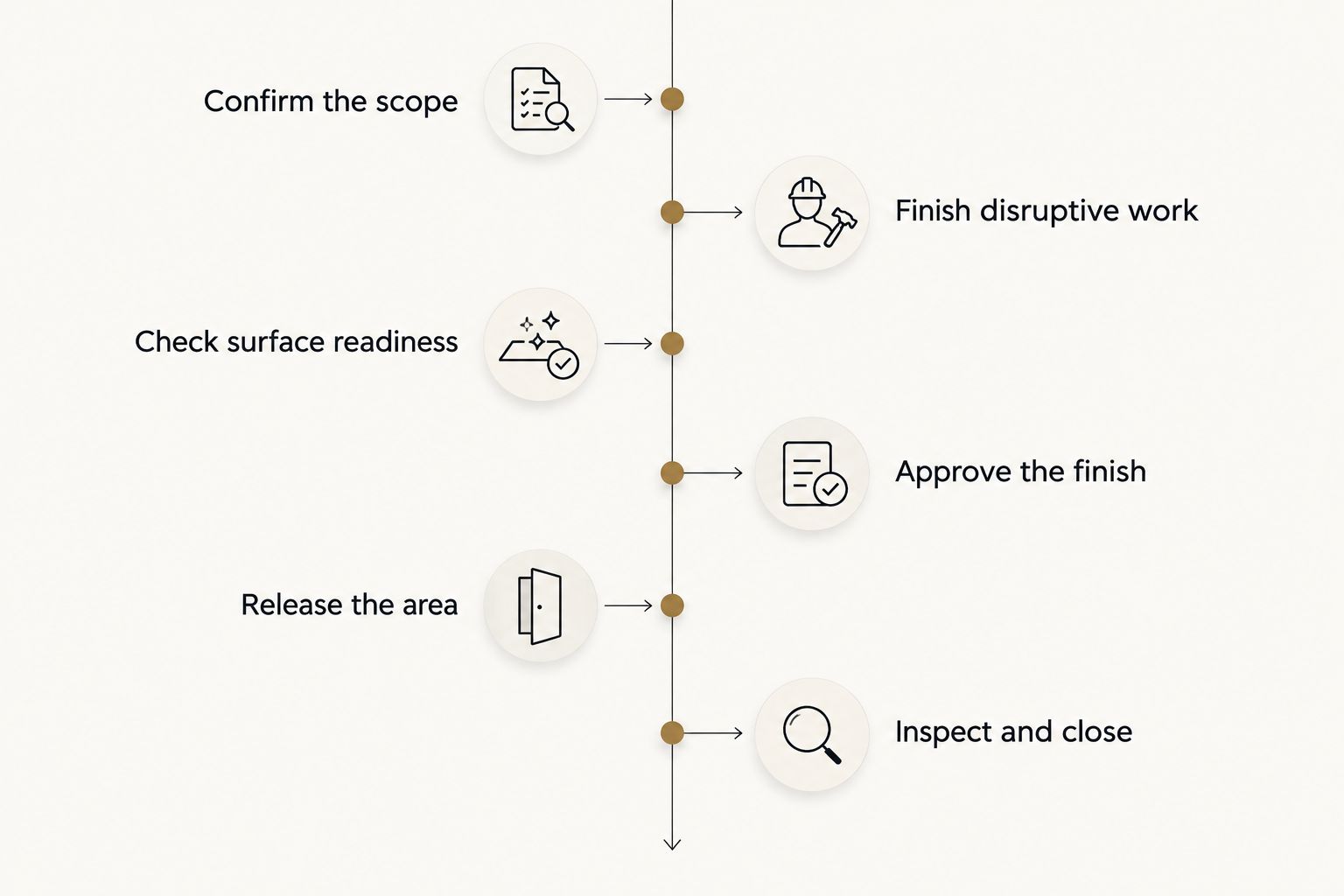
Use this sequence as a planning checklist, not a substitute for the coating manufacturer's instructions or your contractor's project-specific schedule.
- Confirm the scope. Identify walls, ceilings, doors, trim, cabinetry, and exterior surfaces separately. State what stays untouched.
- Finish disruptive work. Complete the demolition, repairs, sanding, and installation tasks that affect the surfaces being released.
- Check surface readiness. Confirm that repairs and preparation are complete and that surfaces meet the selected coating's requirements.
- Approve the finish. Settle color, sheen, and sample approval before the relevant painting stage starts.
- Release the work area. Agree on access, ventilation, protection, and whether other trades can enter during application and drying.
- Inspect and close out. Identify remaining defects, record touch-ups, and assign responsibility before furniture and normal use return.
The sequence can repeat across the house. A bedroom can reach painting readiness while a kitchen remains under construction, provided access and dust controls keep those work areas separate.
Room-by-room painting: best for occupied renovations
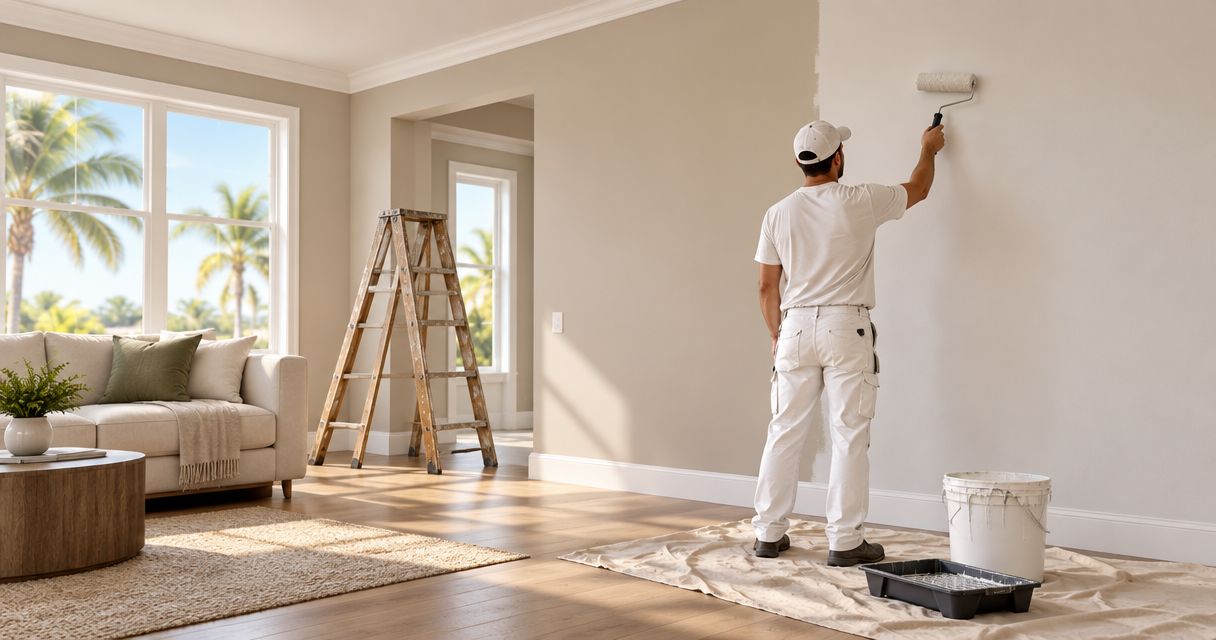
Room-by-room painting is best for homeowners who need to keep part of the house usable. Finish and protect a defined area while renovation work continues elsewhere.
The benefit is a clear boundary between active construction and a space returning to use. The drawback is repeated setup and protection, especially when workers must pass through finished rooms to reach unfinished ones.
Do not treat a closed door as the entire separation plan. Discuss shared hallways, material deliveries, ventilation, and where tools will be cleaned or stored. If those activities still affect the room, adjust the release point.
Stage-based painting: best for connected renovation work
Stage-based painting is best when drywall, trim, cabinets, and other installations affect several rooms together. Group similar tasks across the project, then move to the next finish stage when the relevant areas are ready.
This approach keeps related work together. Its limitation is that rooms remain unfinished while you wait for shared dependencies, such as completed trim installation or approved repairs.
For a 2026 renovation involving connected living spaces, mark those dependencies on the schedule. A room name alone does not show whether the ceiling, walls, and trim are all ready for the same treatment.
End-of-project painting: best for tightly shared work areas
Painting near the end is best when construction traffic cannot be separated from finished surfaces. It reduces the need to protect completed paint while disruptive work continues nearby.
The trade-off is a longer period with unfinished rooms. It also leaves painting dependent on earlier work being complete, so unresolved repairs can affect the final handover.
You still need a preparation and inspection plan. Moving painting to the end does not eliminate surface repairs, coating requirements, or the need to coordinate access.
| Scheduling approach | Best for | Main benefit | Main limitation |
|---|---|---|---|
| Room by room | Occupied homes with separable work zones | Returns defined spaces to use | Requires repeated protection and controlled access |
| By construction stage | Connected rooms with shared installations | Groups related preparation and finish work | Rooms wait on shared dependencies |
| Near project completion | Homes with unavoidable construction traffic | Keeps finish coats away from active disruption | Delays the return of finished rooms |
Why the painting schedule varies
The order depends on what is happening to the actual surfaces, not simply whether the renovation has started. These factors belong in the scheduling discussion:
- Remaining dusty work. Sanding, cutting, and demolition need coordination with exposed or freshly coated surfaces.
- Surface condition. Patching, damaged trim, existing coatings, and moisture concerns affect what preparation is required before painting.
- Installation sequence. Cabinets, built-ins, doors, and trim create edges and joints that need an agreed finishing order.
- Coating requirements. Recoat, drying, and curing instructions differ; use the selected product's technical information.
- Site access and occupancy. Shared routes, furniture, pets, and occupied rooms affect how a work area can be protected and released.
- Exterior conditions. Rain, surface moisture, and application conditions matter when the renovation includes exterior painting or wood finishes.
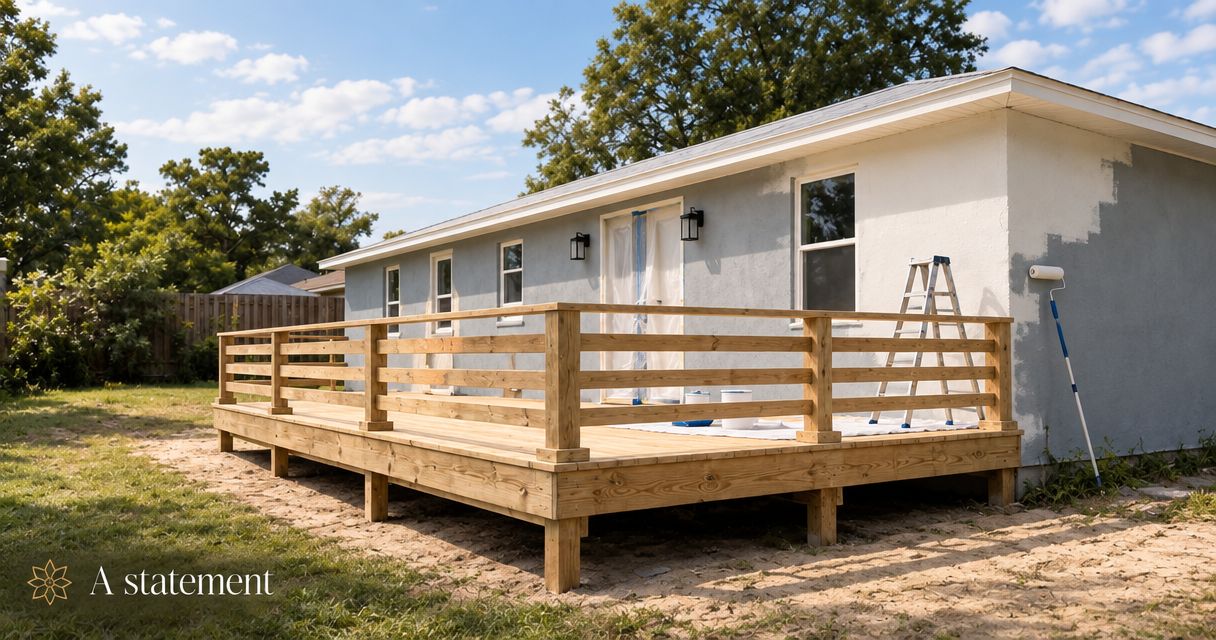
For Orlando and nearby Central Florida projects, include indoor and outdoor work in the same access discussion. Deck, pergola, or exterior carpentry work can still require routes through areas you planned to finish first.
Should you paint before or after cabinets and trim?
Agree on the cabinet and trim handoff before approving the painting schedule. There is no single order that fits every combination of wall paint, installed casework, and site-finished carpentry.
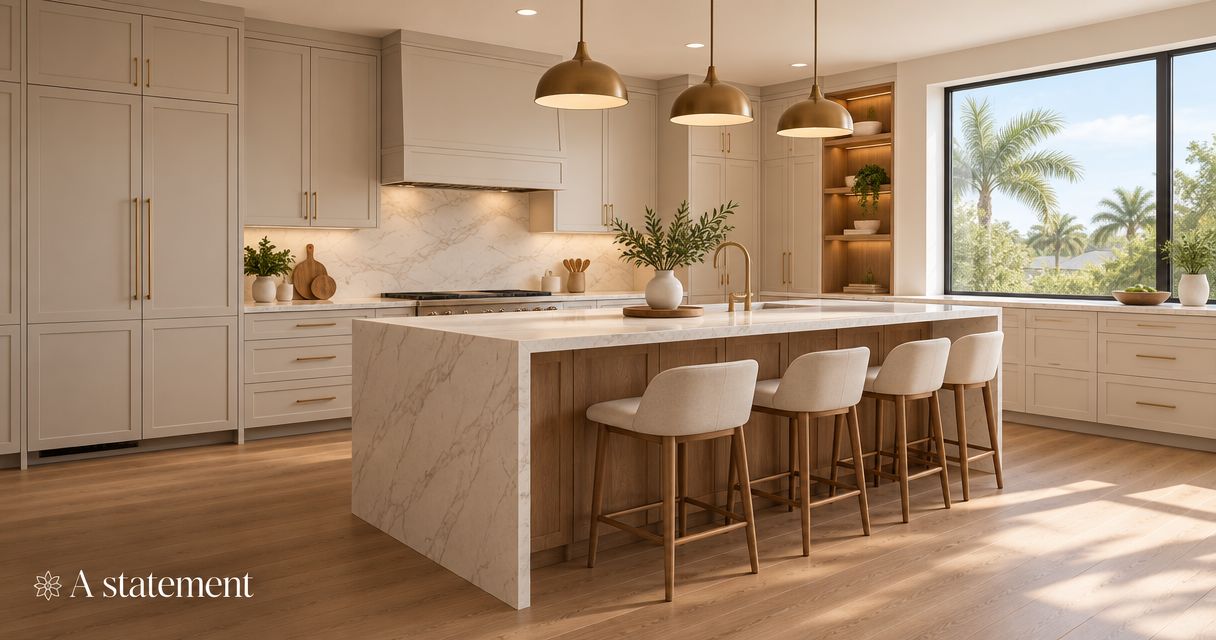
Painting accessible wall areas before cabinet installation can simplify access. Installation can also leave fastening points, joints, or adjacent surfaces needing attention afterward. Your scope should distinguish early painting from the final completion of visible edges.
For trim, clarify whether pieces arrive finished, receive finishing after installation, or need a combination of preparation and final site work. Ask who handles filling, sanding, joint treatment, and the transition to the wall coating.
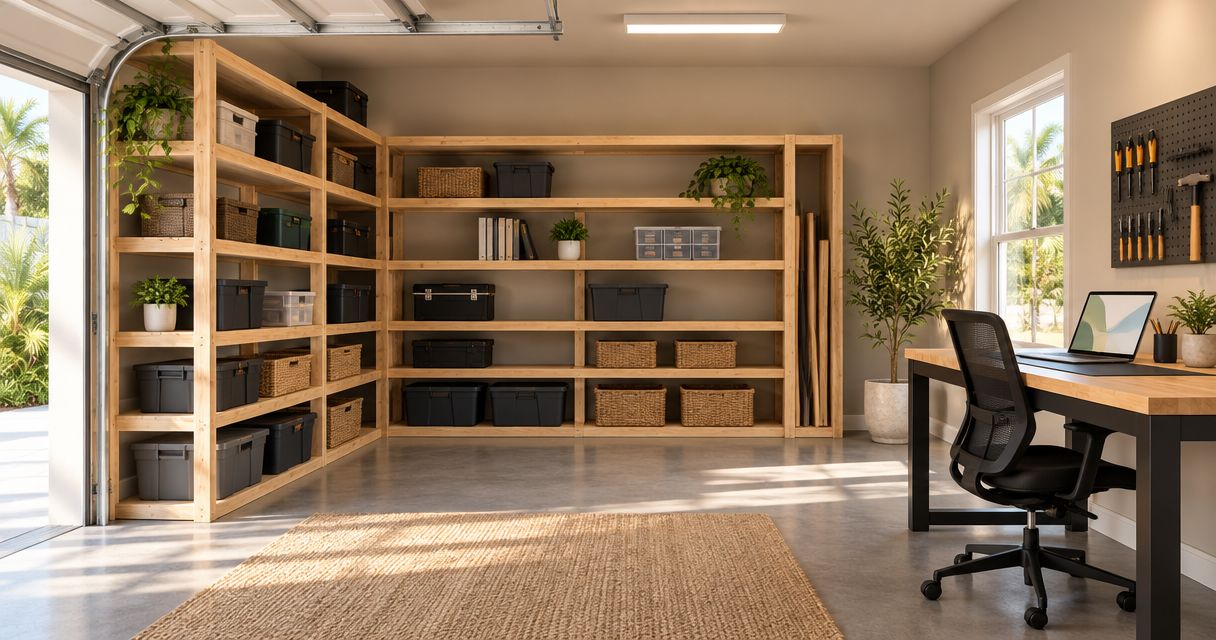
Built-in shelving and storage need the same discussion. Identify which surfaces remain accessible after installation and which must be prepared earlier. Do not assume the cabinet installer and painter have included identical finishing responsibilities.
What should your painting and renovation brief include?
A useful brief lets the people quoting see both the surfaces and the work happening around them. For a 2026 request, include current photographs and label drawings as proposed or approved so nobody schedules against an outdated layout.
Use the Orlando painting and finish-work scope guide to organize the painting portion, then add the renovation handoffs below.
Surfaces and boundaries
List rooms and surfaces individually. Separate walls, ceilings, trim, doors, cabinetry, shelving, and exterior wood rather than describing everything as painting the house.
State what is excluded. Existing furniture, specialty finishes, and areas outside the renovation should not become assumed parts of the painting scope.
Drawings and installation details
Share relevant dimensions, cabinet layouts, trim profiles, and finish references. Mark items that are still being selected, because an unresolved detail should not be treated as an approved installation condition.
Include made-to-order furniture or custom pool-table casework if delivery or assembly affects access. These items do not automatically belong in the painting scope, but their movement through the house belongs in the coordination plan.
Access and protection
Explain whether the house remains occupied and which entrances, hallways, and rooms are available. Identify who moves belongings and who protects completed flooring, installed cabinets, and adjacent surfaces.
Discuss material staging and delivery routes for wider carpentry work, including decks and timber pergolas. A shared entrance or storage area needs an agreed use even when the actual work happens outside.
Responsibilities and changes
Name the person coordinating trade handoffs. State who confirms readiness, approves finish samples, records changes, and decides when a room returns to normal use.
JB Woodworks LLC is best for Orlando homeowners seeking custom carpentry with a coordinated painting and finishes scope. Discuss the actual scope, materials, travel, and installation logistics before commitments; the service range alone does not establish the sequence for your home.
How do you prevent painting from becoming repeat work?
Define what completion means at each stage. An early wall coat, a finished trim surface, and a final room inspection are different milestones; calling all of them painting complete creates confusion.
Keep a shared list of remaining work. Record the location and responsible party for unfinished repairs, missing trim, incomplete installation, and paint touch-ups rather than relying on a verbal walkthrough.
Agree on how changes are handled. If a later design decision moves shelving or alters cabinetry, confirm the affected preparation and refinishing before the change proceeds. Do not assume those tasks are part of an earlier agreement.
Before a trade re-enters a finished room, review the route and protection. This is particularly useful when deliveries, hardware installation, or final adjustments take place after painting.
Can you stay in the house while renovation painting happens?
You can plan an occupied renovation around separated work areas, but occupancy needs its own discussion. Ask about product instructions, ventilation, access restrictions, and the household's specific needs before choosing which rooms remain in use.
Do not use dry to the touch as permission for every activity. Recoating, handling, cleaning, and returning furnishings can have different requirements, so follow the selected coating's instructions and the agreed handover conditions.
For your 2026 plan, identify where people sleep, prepare food, and move between rooms during each phase. If a usable route crosses the active painting area, revise the sequence before work begins.
FAQ
Can house painting be scheduled during renovation if other trades are still working?
Yes, house painting can be scheduled during renovation when the painting area is ready and separated from disruptive work. Agree on access, dust control, surface protection, and responsibility for later repairs before releasing the room.
Should painting happen before or after flooring installation?
Coordinate painting with the specific flooring and protection plan rather than applying one order to every project. Distinguish early preparation and painting from final touch-ups after installation work is complete.
Can I paint walls before custom cabinets are installed?
Yes, accessible wall areas can be painted before cabinet installation when the project sequence supports it. Include a later inspection for installation marks, joints, and visible edges that still need attention.
How long should I leave between painting and moving furniture back?
Use the selected coating's instructions and the agreed site handover conditions to decide when furniture returns. Drying, recoating, and curing are different stages, so a surface that feels dry is not automatically ready for contact or cleaning.
Can exterior painting happen while interior renovation continues?
Yes, exterior painting and interior renovation can be planned together when access, protection, and work areas are coordinated. Exterior coating requirements and weather conditions still govern when application can proceed.
What should I send with a painting inquiry in 2026?
Send room photographs, surface lists, relevant drawings, finish preferences, and the current renovation sequence. Include occupancy, access, remaining installation work, and the person coordinating trade handoffs.
Can JB Woodworks LLC discuss carpentry and painting in the same project?
Yes, JB Woodworks LLC's stated services include custom carpentry and painting and finishes. Confirm the surfaces, preparation, installation boundaries, materials, and logistics for your particular project before commitments.
One last thing
A painting milestone should describe a condition, not just a date. For your 2026 schedule, replace paint living room with a clear handoff: repairs complete, dusty work finished, finishes approved, access agreed, and protection assigned.
That wording gives your project team something to check. It also makes the next decision straightforward when the room is not ready: resolve the unfinished dependency before releasing the painting stage.